Stainless Steel 321 Slotted Pipes: Precision Piping for High-Temperature Industrial Applications
When industrial systems operate under elevated temperatures, corrosive conditions, or demanding filtration requirements, selecting the right stainless steel grade becomes an important engineering decision. Stainless Steel 321 Slotted Pipes combine the heat-resistant characteristics of a titanium-stabilized austenitic stainless steel with a precision-slotted design suited to screening, filtration, drainage, and controlled-flow applications.
For buyers across Europe, the Gulf, and the wider Middle East, the right product specification needs to cover more than the material grade. Pipe diameter, wall thickness, slot dimensions, spacing, surface finish, manufacturing method, inspection, and material traceability all influence the performance of the finished pipe. A clear specification also makes it easier for procurement teams to compare suppliers and avoid costly mismatches.
What is Stainless Steel 321 Slotted Pipes?
Stainless Steel 321 is a chromium-nickel austenitic stainless steel stabilized with titanium. The titanium addition helps reduce the risk of chromium carbide precipitation during exposure to elevated temperatures. This makes the grade particularly useful for selected applications involving prolonged heating or repeated temperature cycles.
A slotted pipe is a pipe with accurately formed openings along its surface. The openings can be manufactured in different widths, lengths, patterns, orientations, and spacing arrangements according to the required flow or screening performance.
Combining the 321 alloy with a slotted configuration creates a product suitable for applications where corrosion resistance, temperature performance, and controlled passage are required in the same component.
Typical applications include:
- High-temperature filtration systems
- Chemical processing equipment
- Petrochemical installations
- Industrial screening systems
- Process drainage
- Strainers and separation equipment
- Water and wastewater systems
- Fluid collection systems
- Industrial filtration assemblies
Stainless Steel 321 is identified by UNS S32100. This designation is useful during purchasing and inspection because it provides a clear reference for verifying the material grade.
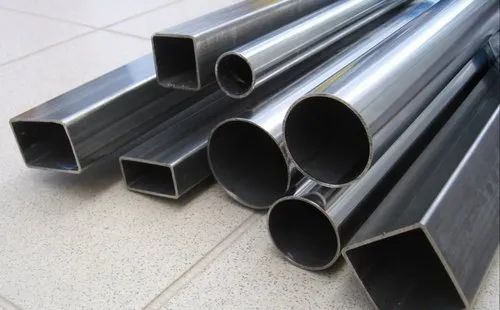
Common International Standards Used Alongside Stainless Steel 321 Slotted Pipes
International industrial projects normally specify the base stainless steel pipe according to recognized material and product standards. The applicable specification depends on the pipe construction, manufacturing method, dimensions, and service conditions.
ASTM A312/A312M is commonly associated with seamless, welded, and heavily cold-worked austenitic stainless steel pipe intended for high-temperature and general corrosive service. Where a project follows ASME requirements, the relevant ASME specification may be referenced along with the applicable ASTM material standard.
European projects may also use applicable EN or DIN EN requirements for stainless steel products, dimensions, testing, and technical delivery conditions. The exact standard should always be selected according to the actual pipe type and project specification rather than adding standards that do not apply.
For material identification, Stainless Steel 321 is designated UNS S32100.
Depending on the project, buyers may request:
- Material Test Certificates
- Chemical composition reports
- Mechanical test results
- Heat number traceability
- Dimensional inspection reports
- Positive Material Identification
- Visual and surface inspection
- Certificates of conformity
The applicable standards, testing requirements, and documentation should be agreed before manufacturing starts.
Why European Buyers Choose Stainless Steel 321 Slotted Pipes
European process industries often require materials capable of handling elevated temperatures while maintaining reliable mechanical and corrosion performance. Chemical processing plants, petrochemical facilities, industrial filtration systems, and heat-related process equipment can expose piping components to demanding conditions.
The main attraction of Stainless Steel 321 is its titanium stabilization. During elevated-temperature exposure, this feature helps reduce the risk of intergranular corrosion associated with chromium carbide precipitation.
The slotted construction provides another functional advantage. Slot dimensions can be selected according to the required filtration, screening, drainage, or flow characteristics. This allows the pipe to become an active part of a process system rather than simply serving as a conventional fluid passage.
Gulf and Middle Eastern industries also have demanding requirements. Petrochemical plants, refineries, desalination facilities, wastewater treatment plants, and process industries may combine elevated temperatures with corrosive or saline environments.
Buyers should always review the actual operating conditions before selecting the material. Process fluid chemistry, chloride levels, temperature, pressure, cleaning chemicals, and exposure time can all affect material performance.
Finding Reliable Stainless Steel 321 Slotted Pipes Suppliers
Supplier selection should focus on technical capability as well as price and delivery. Slotted pipes require accurate control of openings because slot geometry can influence filtration efficiency, flow, open area, and structural performance.
When evaluating Stainless Steel 321 Slotted Pipes Manufacturers, buyers should review their ability to maintain consistent slot dimensions and pipe tolerances throughout production.
A capable supplier should be able to work from engineering drawings and understand details such as:
- Outside diameter
- Wall thickness
- Overall pipe length
- Slot width
- Slot length
- Slot pitch
- Slot spacing
- Slot orientation
- Number of slot rows
- Required open area
For buyers looking for readily available products, Stainless Steel 321 Slotted Pipes Stockists can be useful when standard configurations are required on shorter schedules. However, stock should be checked carefully against the exact material grade, dimensions, slot pattern, and certification requirements.
International procurement teams may also work with Stainless Steel 321 Slotted Pipes Exporters that have experience with export packaging, inspection documentation, shipping coordination, and destination requirements.
The supplier should also communicate clearly about production lead times, available configurations, inspection procedures, and documentation before the purchase order is confirmed.
What Buyers Usually Check Before Ordering
A detailed technical specification helps prevent misunderstandings between the buyer and manufacturer. Before placing an order, procurement teams should review the following points.
Material grade: Confirm Stainless Steel 321 and the required UNS designation.
Pipe dimensions: Specify outside diameter, wall thickness, length, and dimensional tolerances.
Slot design: Define slot width, length, pitch, spacing, orientation, and number of rows.
Open area: Where filtration or flow performance is important, state the required percentage of open area.
Manufacturing method: Clarify whether the base pipe needs to be seamless or welded.
Surface finish: Specify the required surface condition according to the application.
Inspection: State whether PMI, dimensional inspection, visual examination, or additional testing is required.
Documentation: Confirm MTCs, heat traceability, inspection reports, certificates of conformity, and packing documents.
The operating temperature should also be clearly stated. This is especially relevant when Stainless Steel 321 is selected because its stabilized chemistry is one of the reasons it is considered for elevated-temperature service.
For customized slotted pipes, a detailed technical drawing is highly useful. It gives the manufacturer a clear reference for slot location, dimensions, tolerances, and inspection points.
Global Demand for Stainless Steel 321 Slotted Pipes
Demand for specialized stainless steel slotted components is linked to chemical processing, petrochemicals, filtration, water treatment, industrial separation, and high-temperature process applications.
Across the Gulf region, petrochemical and refinery operations require components capable of handling demanding process conditions. Water-treatment and desalination facilities also rely on corrosion-resistant materials for equipment exposed to challenging water environments.
European industries place strong emphasis on traceability, dimensional accuracy, technical documentation, and consistent manufacturing quality. Procurement teams therefore increasingly assess suppliers based on their technical capabilities and quality-control processes rather than comparing quotations on price alone.
Looking for Stainless Steel 321 Slotted Pipes?
Stainless Steel 321 Slotted Pipes offer a practical combination of titanium-stabilized stainless steel performance and controlled openings for filtration, screening, drainage, and flow-management applications. For projects across Europe and the Middle East, buyers should evaluate the material grade, operating temperature, pipe dimensions, slot configuration, manufacturing method, inspection, and documentation together.
Before requesting quotations, prepare the required grade, pipe dimensions, slot pattern, quantity, applicable standard, inspection requirements, documentation, and delivery destination. A precise specification gives the supplier a clear manufacturing target and helps procurement teams compare quotations on both technical and commercial grounds.